



- -
Exploring Aromatic Hydrocarbons: Aromatic 100 & 150
In industrial chemical applications, aromatic hydrocarbons play an important role as solvents, carriers, and processing aids. Known for their strong solvency and performance characteristics, these compounds are used across industries such as coatings, adhesives, rubber, polymers, cleaning, and chemical processing.
At ArroChem, we supply and support a range of commodity chemicals, including Aromatic 100 and Aromatic 150. While these products are similar in function, they differ in composition, performance characteristics, and common applications. Understanding the difference can help businesses select the right aromatic solvent for their specific needs.
Aromatic 100: Composition and Applications
Aromatic 100 is a clear, colorless aromatic solvent composed primarily of C9 to C11 hydrocarbons. It is insoluble in water and valued for its solvency, evaporation profile, and versatility across industrial applications.
- Paints and coatings: Helps dissolve resins and improve the application properties of oil-based paints, varnishes, and coatings
- Rubber manufacturing: Can be used in formulations where solvency, processing support, or flexibility are important
- Adhesives and sealants: Supports bonding properties and formulation performance in adhesive systems
- Chemical processes: Serves as a solvent or reaction medium in select industrial applications
- Degreasing and cleaning: Provides strong solvency for industrial cleaning and degreasing applications
Aromatic 150: Composition and Applications
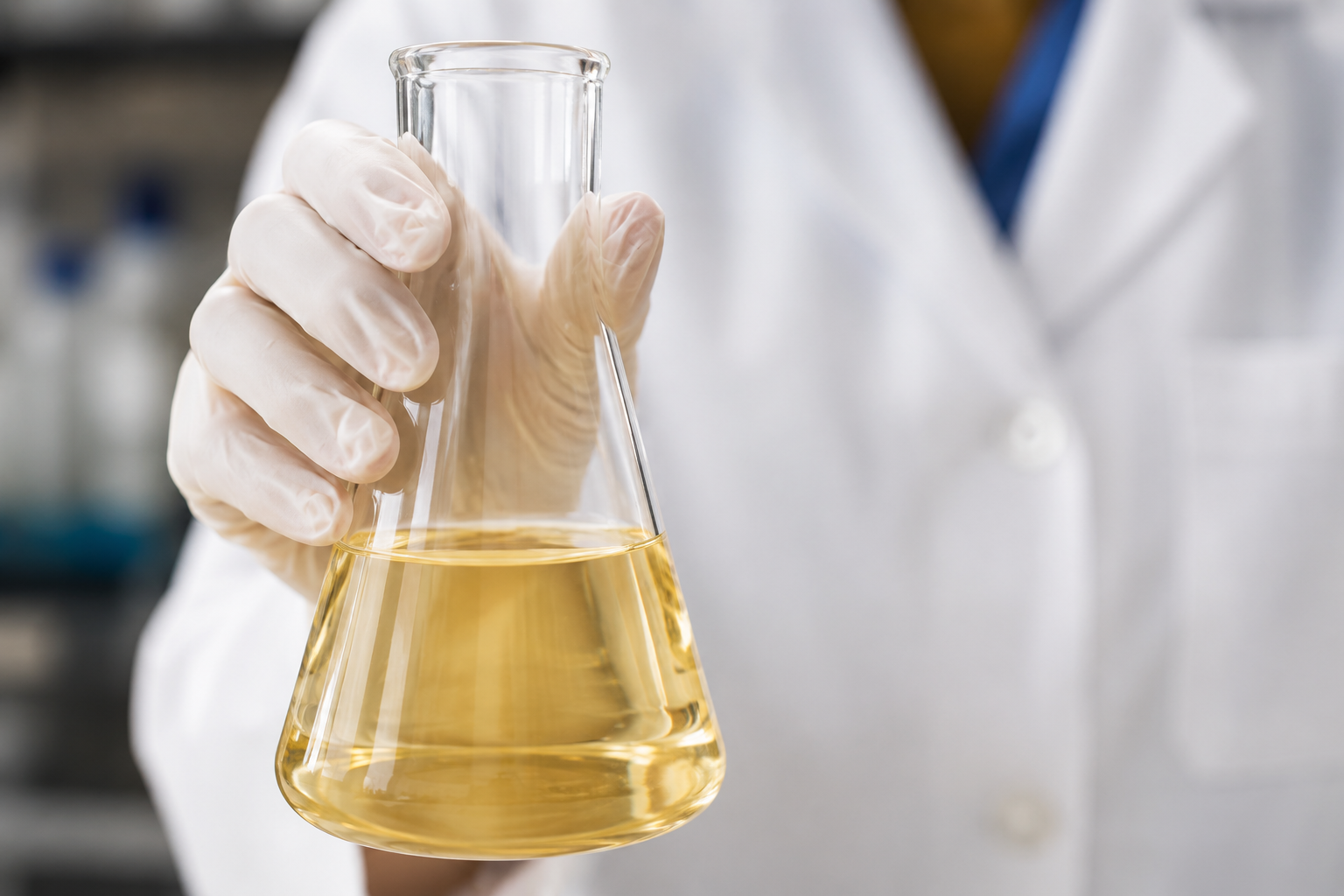
Aromatic 150 is typically a colorless to pale yellow aromatic solvent with a characteristic aromatic odor. It is generally composed of heavier aromatic hydrocarbons than Aromatic 100, giving it a different evaporation rate and performance profile.
- Paints and coatings: Helps improve viscosity, flow, and application characteristics in paints, varnishes, enamels, and coatings
- Adhesives and sealants: Supports tack, bonding, and formulation performance in adhesive products
- Rubber and polymer processing: Used in rubber compounding and polymer manufacturing processes where solvency and processing performance are important
- Industrial formulations: Suitable for applications that require a heavier aromatic solvent with a slower evaporation profile
Comparison Between Aromatic 100 and Aromatic 150
| Feature | Aromatic 100 | Aromatic 150 |
|---|---|---|
| Typical carbon range | Primarily C9 to C11 hydrocarbons | Primarily heavier C10 to C13 aromatic hydrocarbons |
| Appearance | Clear, colorless liquid | Colorless to pale yellow liquid |
| Evaporation profile | Generally faster than Aromatic 150 | Generally slower than Aromatic 100 |
| Common uses | Coatings, adhesives, cleaning, degreasing, and general industrial solvent applications | Coatings, adhesives, rubber, polymers, and applications requiring a heavier aromatic solvent |
| Selection considerations | Useful when stronger solvency and a lighter aromatic solvent profile are needed | Useful when slower evaporation, heavier solvency, or higher-boiling characteristics are preferred |
Safety Considerations and Environmental Impact
As with all industrial chemicals, Aromatic 100 and Aromatic 150 should be handled according to applicable safety data sheets, workplace procedures, and regulatory requirements. Proper storage, ventilation, handling, personal protective equipment, and disposal practices are important for safe and responsible use.
ArroChem’s ISO 9001:2015 certified processes support consistent quality, documentation, and safe handling practices across the products we supply and manufacture.
Choosing the Right Aromatic Hydrocarbon
The right choice between Aromatic 100 and Aromatic 150 depends on the application, desired evaporation rate, solvency requirements, safety considerations, and formulation goals. Some applications may require a lighter aromatic solvent, while others benefit from a heavier solvent with a slower evaporation profile.
ArroChem can help customers evaluate product needs, packaging requirements, storage considerations, and supply chain needs to determine the best fit for their operation.
Conclusion
Aromatic 100 and Aromatic 150 are both valuable industrial solvents, but they are not identical. Understanding their differences can help businesses make better decisions for coatings, adhesives, rubber, polymer, cleaning, and other industrial applications.
For help sourcing Aromatic 100, Aromatic 150, or other commodity chemicals, schedule an appointment or give us a call today at (704) 827-0216.
Choosing the Right Cleaner, Lubricant, or Additive
Choosing the right cleaner, lubricant, or additive is more than

